Website Development Cost: A Practical Guide for Business Leaders
A professional business website typically costs between $3,000 and $30,000 depending on scope and functionality. Simple promotional sites land on the lower end of that range. Complex web applications require higher investment.
We explain the key factors shaping your website development cost so you can budget accurately. Understanding these factors prevents unexpected expense overruns during software production.
How much should a company budget for a modern business website?
A standard corporate site requires a business website budget between $5,000 and $15,000 for full production. Advanced enterprise platforms with custom portals usually range from $15,000 to $40,000.
This range reflects variations in feature set, security needs, and custom integration work. Smaller companies often find success at the entry point. Larger organizations need custom infrastructure that requires specialized engineering hours.
Your initial budget must also account for technical planning and post-launch stability. Skimping on foundational architecture often leads to higher maintenance expenses later. Allocating funds for testing ensures your application performs reliably under heavy user traffic.
Key factors that drive overall web design pricing
Project scope is the primary driver of overall web design pricing across software agencies. A site with five standard pages requires far fewer hours than a multi-language portal. Custom feature requirements directly scale the engineering time needed.
Third-party integrations also increase initial estimates significantly. Connecting your platform to payment gateways, CRMs, or ERPs requires custom API work. Each integration demands thorough testing to ensure data moves securely across systems.
Design complexity plays an equally important role in total cost. Using pre-made UI components keeps costs low. Creating custom graphics, micro-interactions, and tailored brand assets increases design hours.
Finally, performance and security requirements influence your total spend. Enterprise platforms need advanced caching, access controls, and compliance checks. These elements add technical rigor to the build process.
Comparing template platforms with custom engineering
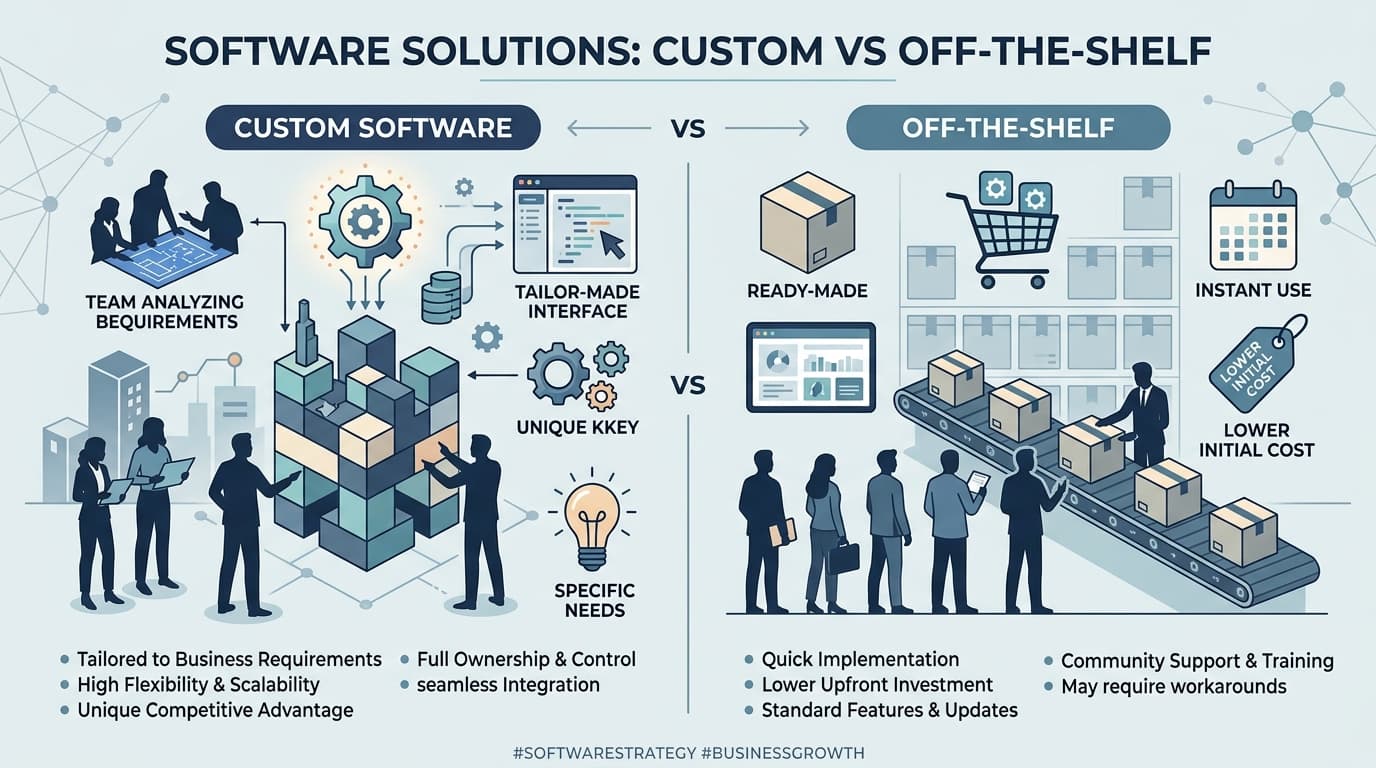
Off-the-shelf site builders offer low upfront costs and rapid deployment. They work well for simple brochure sites with basic content requirements. However, template platforms often limit your long-term flexibility and platform performance.
As your business scales, pre-built templates can create severe technical debt. Custom features become difficult or impossible to add without breaking core layout components. Plug-in dependencies also introduce security vulnerabilities over time.
Custom engineering provides a scalable foundation tailored to your exact business processes. At Ideomatics, our teams deliver high-performing web platforms through our dedicated web development services. Custom builds yield faster page load speeds and superior conversion rates.
While initial investment is higher, custom software eliminates monthly platform lock-in fees. You maintain full ownership of your source code and data structures. This autonomy is crucial for growing mid-market enterprises.
Breakdown of project phases and expenses
A successful software build moves through distinct technical phases. Skipping any single phase creates downstream defects and costly rework during final testing. Clear phase allocation keeps your budget predictable.
The project begins with technical discovery and user experience design. Engineers map business workflows, database architecture, and interface wireframes during this stage. Discovery typically accounts for 15% to 20% of your total budget.
Frontend and backend development form the largest share of overall costs. Developers build responsive views and integrate core database logic. This execution phase consumes roughly 50% to 60% of the project budget.
Quality assurance, security audit, and deployment complete the build cycle. Rigorous cross-browser testing ensures consistent behavior across desktop and mobile screens. Launch preparation guarantees seamless server deployment.
What usually goes wrong with bottom-tier website quotes
Low initial estimates frequently hide critical engineering requirements. Vendors offering unrealistically low quotes often skip security hardening, performance optimization, and mobile testing. This omission leads to hidden costs during later stages of growth.

Cheap builds often rely heavily on bloated plugins and poor code structures. These platforms suffer from sluggish load times and frequent security breaches. Slow sites frustrate users and harm your search engine rankings.
Eventually, companies spending too little upfront must rebuild their software from scratch. Fixing broken architecture always costs more than building it correctly the first time. Quality engineering protects your capital investment over the long term.
When a custom website cost is not justified for your company
Investing in a custom website cost is not always the right choice for every organization. Early-stage startups testing initial product ideas should rely on no-code tools first. Validating demand quickly matters more than bespoke software engineering.
If your website only serves as a digital business card, custom builds add unnecessary overhead. Standard templates handle basic contact details and company descriptions effectively. Saving capital for core operational needs is smarter in early stages.
Businesses with limited technical resources should also avoid complex platforms. Managing high-end custom software requires ongoing maintenance and monitoring. If you lack maintenance capacity, simpler solutions provide reliable performance with lower overhead.
If your operational workflow requires custom software logic, expert consultation is essential. Our senior engineering team provides guidance through our specialized consultancy services. We help you make pragmatic software decisions.
Frequently asked questions about website development cost
How much does a basic business website cost?
A basic business website costs between $3,000 and $7,000 for standard promotional pages. This investment includes responsive design, branding setup, and basic search optimization. It suits small teams needing a clean digital presence quickly.
How long does it take to build a custom website?
A custom website takes between six and twelve weeks to complete from start to finish. Simple corporate sites take around six weeks. Complex web applications with portals require ten to fourteen weeks.
Why do agency quotes for web development vary so much?
Agency quotes vary because agencies use different technical standards, design depth, and testing practices. Cheaper quotes rely on modified templates with limited testing. Higher quotes reflect custom software architecture, security checks, and original design work.
What ongoing costs should we expect after launch?
Ongoing costs include secure cloud hosting, domain renewals, security patches, and platform maintenance. Expect to allocate 10% to 20% of your original build cost annually. Regular updates protect your platform against security vulnerabilities and performance degradation.
What happens if our project scope changes during development?
Scope changes usually adjust both your delivery timeline and total financial investment. Professional teams handle revisions through a clear change request process. You review and approve any cost adjustments before developers start new tasks.
Let us build your next digital product
Navigating technical choices and budget planning requires experienced engineering partners. We partner with growing organizations to design and deploy software built for long-term scalability.
Explore our full range of software engineering services to understand our technical capabilities. You can also view our past client work on our case studies page to evaluate our standards.
Ready to start your project with clear scope and pricing? Contact our engineering leadership directly through our contact page to discuss your software goals today.